Dental Numbing and Local Anesthetic in Frisco, TX
Most people who dread the dentist dread one specific thing. This is exactly how we do it, step by step, and why the long needle always comes last.
How we numb your mouth, step by step
None of this is proprietary and none of it is new. It is simply done in a particular order, every time, because the order is what decides whether you feel it.
A strong topical anesthetic goes on first
Not a token smear. A profound topical gel, placed on dried tissue, given time to work. Most of what people remember as 'the injection' is the first moment of the needle passing through surface tissue — and that is the part topical removes.
Gentle tissue distraction as the needle enters
Gentle movement of the cheek or lip as the needle goes in. It sounds trivial. It is not: the nerve fibers that carry pressure and movement reach the brain faster than the ones carrying pain, so the movement arrives first and largely occupies the channel. This is a genuine physiological effect, grounded in nerve signal timing.
A short needle, and a plain solution
The first injection is an infiltration with a short needle, using Citanest, a plain anesthetic with no epinephrine in it. Its job is not to do the whole appointment. Its job is to make the area deeply numb before anything else is attempted.
Only then, the block
Where a block injection is needed (the kind that numbs a whole quadrant, using a longer needle and lidocaine with epinephrine), it is given through tissue that is already numb. This is the whole point of the sequence. The long needle always comes second, and by the time it is used you do not feel it.
Every cartridge is warmed
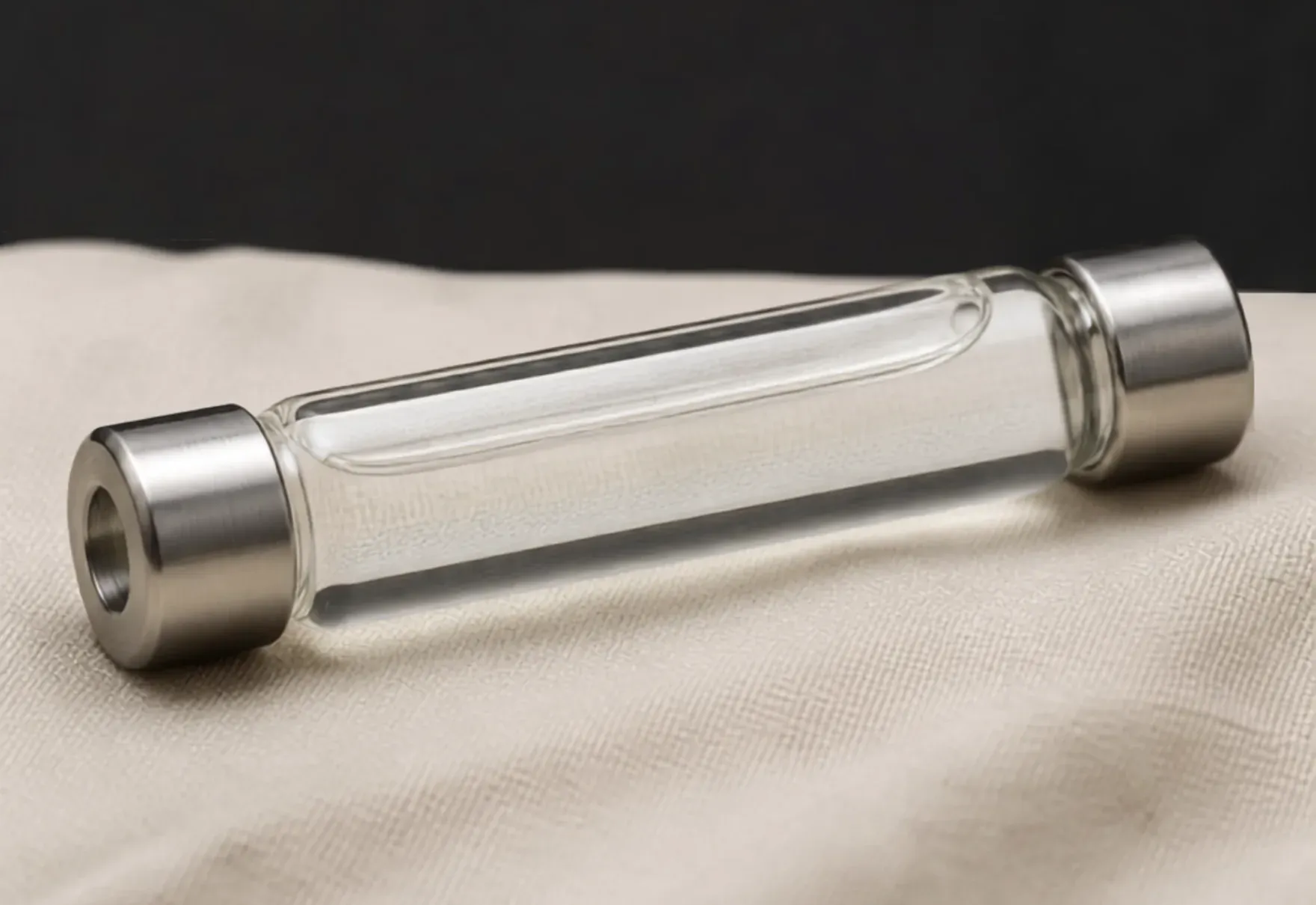
The anesthetic sits in a chairside warmer. Solution at room temperature stings as it enters tissue at body temperature, and a surprising share of what patients describe as a painful injection is simply that difference. Warming it is cheap, it takes no extra chair time, and it is easy to skip.
We wait and check that you are numb
Numbness is always tested before treatment starts. If it is not complete we add more and wait longer. An appointment that starts two minutes early and hurts is a worse appointment.
Dental numbing: what to know before your appointment
Why we take such care with numbing
Because a decade of avoidance usually traces back to one bad injection, often in childhood, often given quickly by someone who was running late. Nothing else in dentistry costs so little to do properly and does so much damage when it is rushed. None of the steps above adds meaningful time to an appointment — they simply have to be done in order, every time, by people who have been shown why.
The stop signal is real
Raise your hand and we stop immediately — not at a natural pause, and not at the end of the step we are on. Patients who have been let down by that promise somewhere else test it once. Knowing that it works is usually why they do not need to use it a second time, and it does more for anxiety than any drug on this page.

Numbing vs. sedation: what is the difference?
They get conflated constantly, and the difference decides what you actually need.
| Feature | Local anesthetic | Sedation |
|---|---|---|
| What it does | Removes sensation from one area | Reduces anxiety and awareness |
| Are you awake? | Fully | Yes, at every level we offer |
| Do you feel the treatment? | No | Yes, unless also numbed |
| Used on its own | For most appointments | Rarely |
| Needed for surgery | Always | Only if you want it |
Why numbing matters in gentle dental care
Dental numbing at White Lotus Dental in Frisco, TX follows a set order, and the order is what decides whether you feel the injection. Search for sedation dentistry and every practice within twenty miles will tell you they are gentle. Almost none will tell you what they actually do.
We would rather describe it. Every step above is ordinary, none of it is patented, and any practice could do all of it tomorrow. What makes the difference is doing it in that order, every single time, including on a Friday afternoon when the schedule has slipped. It also takes a team who understand why the order matters, especially when asked to hurry.
If injections are the reason you have not been in years, that is a common and reasonable thing to be frightened of. Call (469) 262-2111 and say so.
Gentle dental care near Frisco, Prosper and Plano
White Lotus Dental is at 8175 Custer Rd, Suite A110, Frisco, TX 75035. Patients come to us from across Frisco and from nearby Prosper, Plano, Little Elm, Allen, Celina and McKinney. We are open Monday, Tuesday, Thursday and Friday from 9 AM to 6 PM and Saturday from 9 AM to 3 PM. We are closed on Wednesday and Sunday, although our team still answers the phone on Wednesdays.
If the injection is what you dread, care for anxious patients explains what a first visit can look like. For a little extra calm on top of numbing, ask about nitrous oxide, and sedation dentistry covers the deeper options. We accept Children’s Medicaid and CHIP, and we have a membership plan for anyone without insurance.
To book, call (469) 262-2111 or request an appointment online.
Time in the chair for sedation.
The scale runs to five hours — the same scale on every page, so the bars are comparable across the whole site.
How plans usually cover sedation.
Basic restorative — Class II on most plans
- What plans pay
- Commonly around 80% once the deductible is met, so sedation is usually the least painful kind of treatment to have covered.
- Deductible
- Usually applies — typically $50 to $100 a person, once a plan year, and it comes off the first treatment of the year — not spread across visits.
What catches people out
- Alternate benefit, sometimes written as LEAT. Where a cheaper material or procedure would do, the plan pays for that one and leaves you the difference. The classic case is a white filling on a back tooth paid at the silver rate.
- Waiting periods on a new policy. Usually shorter for basic work than for major, but not always absent — worth knowing if you have just changed jobs.
- Local anesthetic is not billed separately here. It is folded fully into the treatment itself, which is how it should be.
These are how dental plans usually classify this treatment — not a statement about your own plan. Yours is the one that governs, plans differ more than people expect, and the only reliable answer comes from reading your specific benefits, which we always do ahead of treatment and give you in writing.
What this costs
What it costs here
Included
It is part of the procedure it is given for — not a separate item. There is no line for it on your bill, and no plan is asked to pay toward it. The ADA publishes separate codes for it, but the cost is included in the procedure fee, so it does not appear on a claim of its own.
There is no fee, so the network question does not arise here: nothing is billed, so there is nothing for a plan to pay a share of and nothing drawn from your annual maximum.
Check the going rate yourself
FAIR Health's dental cost lookup is free, needs no account, and is not ours — it reports what a procedure typically costs in your area. It does not know your plan, so treat it as a ballpark figure — not a final answer.
Ask us for the number first
We verify your specific plan before your appointment and give you a written estimate: what the plan is expected to pay, and what you pay. If we get it wrong we tell you why.
Bring an Explanation of Benefits
Treated somewhere else? Your EOB shows exactly what the plan paid and what it counted against your maximum. Bring one in and we will read it with you — whether or not you become a patient here.
None of this says out-of-network dentists are worse dentists. Plenty are excellent, plenty are out-of-network for sound reasons, and people choose a dentist for who that person is. What we think you are owed is the information, so that whatever you choose, you chose it knowingly. The whole thing, explained properly, or call (469) 262-2111 and ask.
Booking dental numbing and local anesthetic in Frisco
If a bad injection years ago is the reason you have stayed away, say that when you call. It is the most useful thing you can tell us, and it changes how the first appointment is planned.
- Hours
- Weekdays 9–6
Saturdays 9–3 - Languages
- English, Telugu, Hindi, Urdu
Arabic with Saba, our hygienist, Tuesdays, Thursdays and Fridays
Vietnamese with Anh, our hygienist, Saturdays
Cantonese and Mandarin with Dr. Louie, our periodontist, on his scheduled days, by internal referral
Dental Numbing and Local Anesthetic FAQs in Frisco, TX
Grouped so you can go straight to the one you came for.
Dental Numbing and Local Anesthetic — common questions
Does the dental injection hurt?
Why does warming the anesthetic make a difference?
What is the tissue distraction you mention?
Why two different anesthetics?
What if I am still not numb?
Can I be numbed with no needle at all?
I had a bad experience years ago. Does that change anything?
How long does dental numbing last?
Is dental numbing the same as Novocaine?
What numbing do dentists use?
Toothache at 7am? You'll be seen today.
Same-day and Saturday appointments for toothaches, broken teeth, knocked-out teeth and lost crowns. Call us and we'll tell you what to do first, while you're still at home.
Everything else under this roof.
White Lotus Dental offers nine dental specialties inside one calm office on Custer Road. Having general dentists and an in-house periodontist on staff means your entire family can receive preventive, restorative, and surgical treatments in one familiar place.
Preventive Dentistry
Regular dental checkups, professional cleanings, night guards, and jaw-pain care. Every routine exam includes an oral cancer screening to protect your long-term health.
Explore
Children's Dentistry
Gentle first dental visits, protective sealants, fluoride applications, and space maintainers. We accept Children's Medicaid and CHIP, and every young patient receives a toy-machine token at the end of their visit.
Explore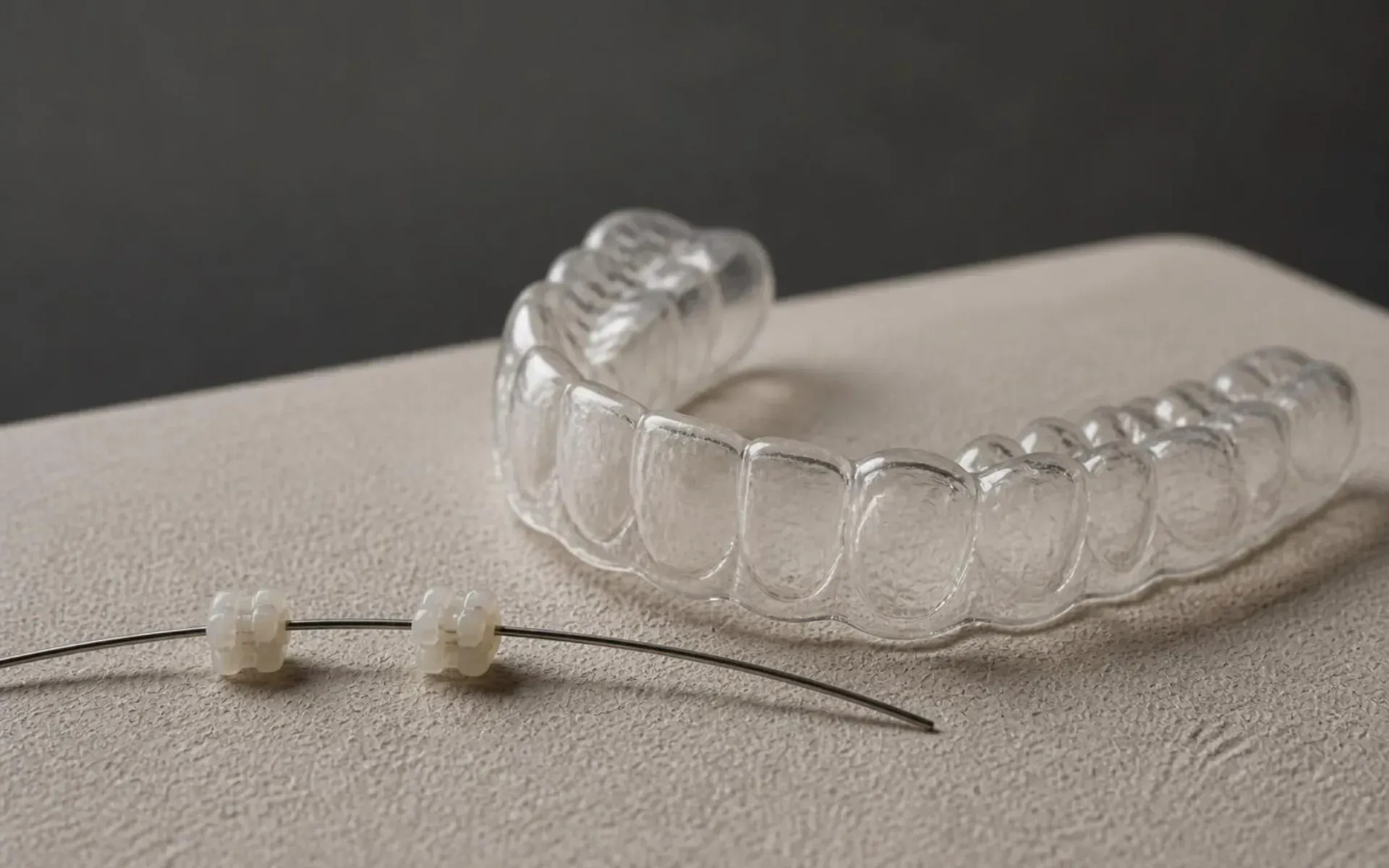
Orthodontics
Clear aligners with Invisalign® and comprehensive traditional braces. Your treatment is fitted, monitored, and adjusted in-house by your trusted dentist.
Explore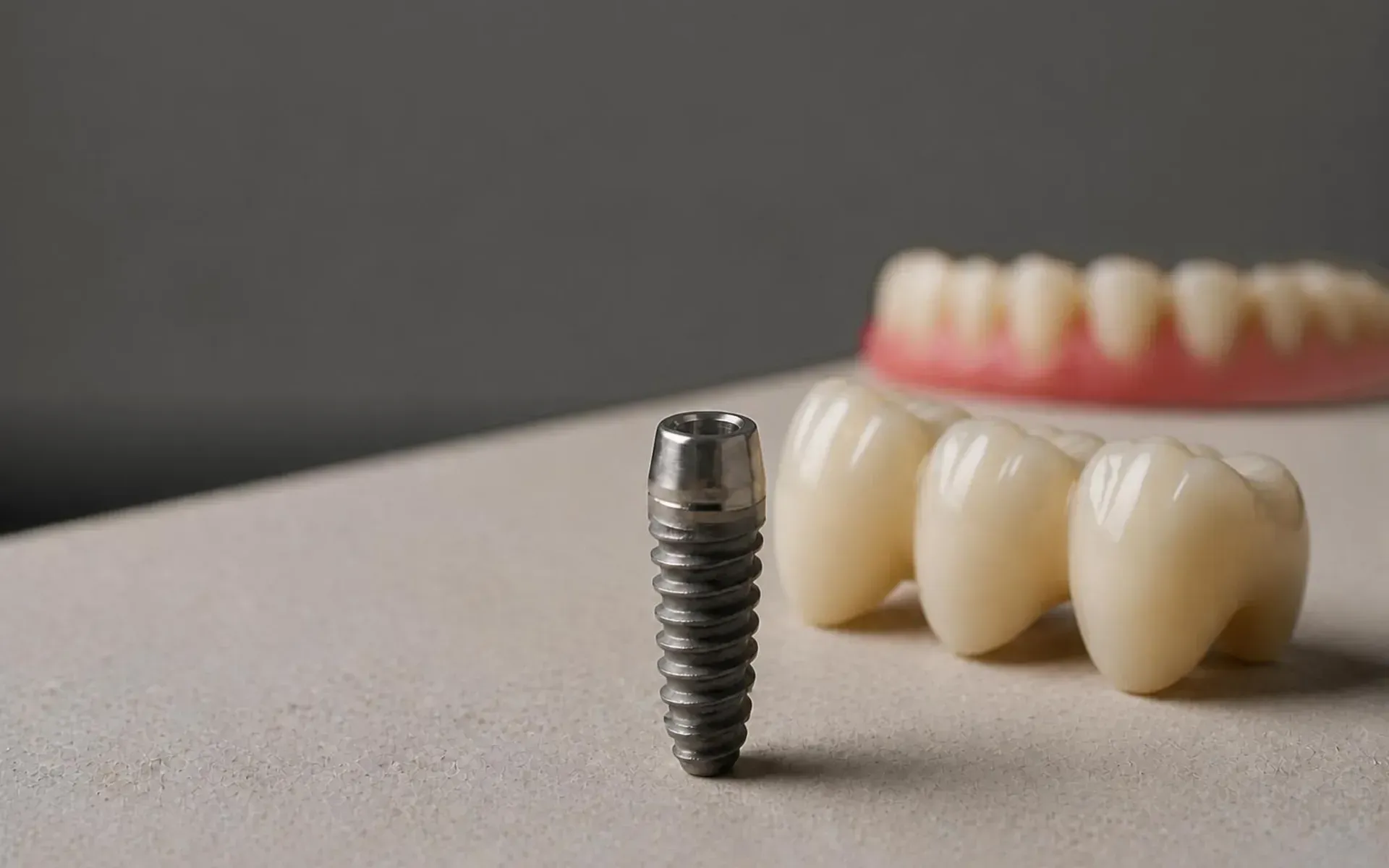
Missing Teeth
Permanent dental implants, dental bridges, and customized dentures planned using 3-D CBCT scans. Because our team includes a board-certified periodontist, your implant surgery, placement, and final crown are completed in the same building.
Explore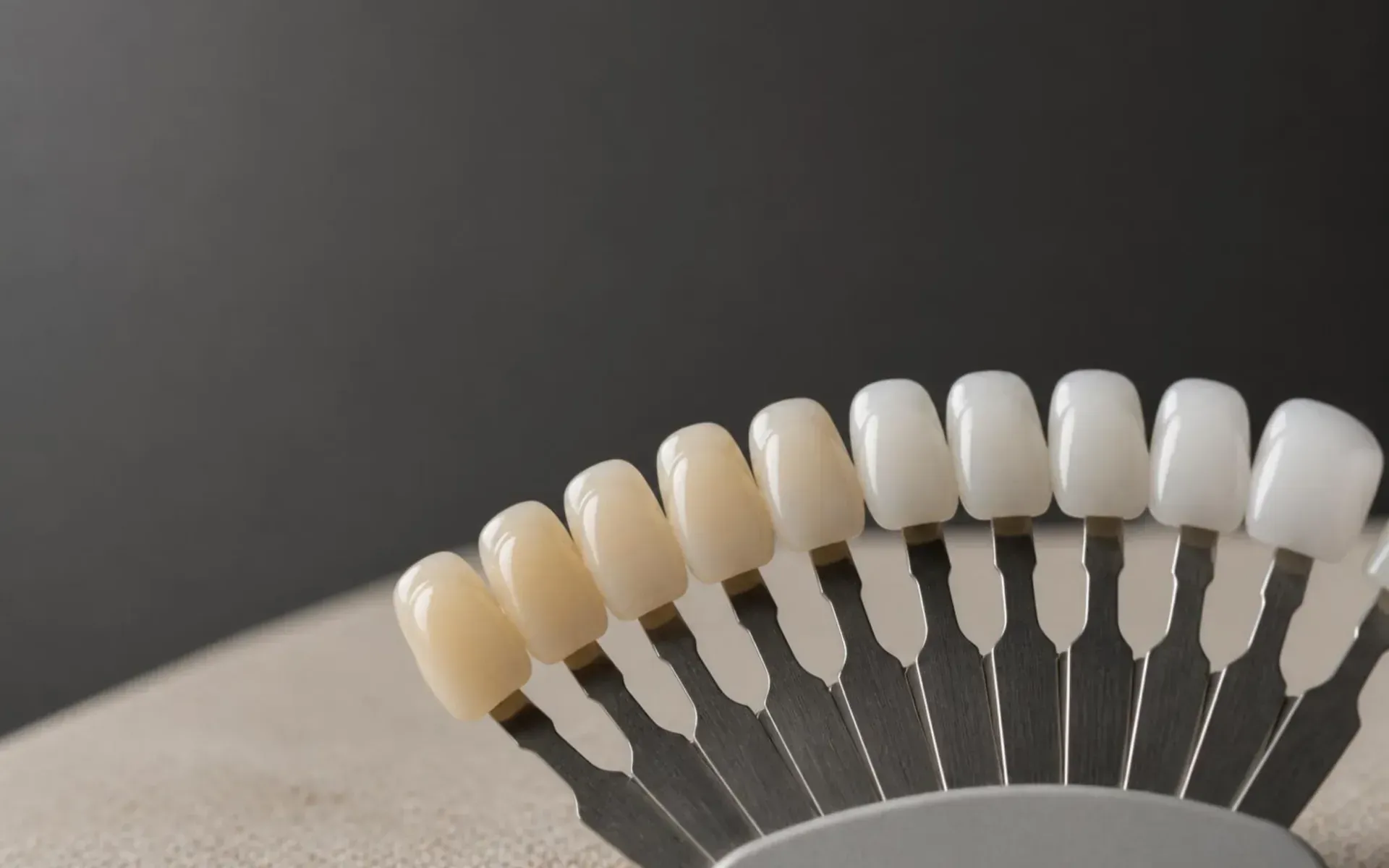
Cosmetic Dentistry
Professional Zoom whitening, custom take-home whitening trays, and composite tooth bonding designed to brighten and refine your natural smile.
Explore
Periodontics & Oral Surgery
Specialized gum disease therapy, scaling and root planing (deep cleanings), frenectomies, and periodontal surgery performed by our board-certified periodontist.
Explore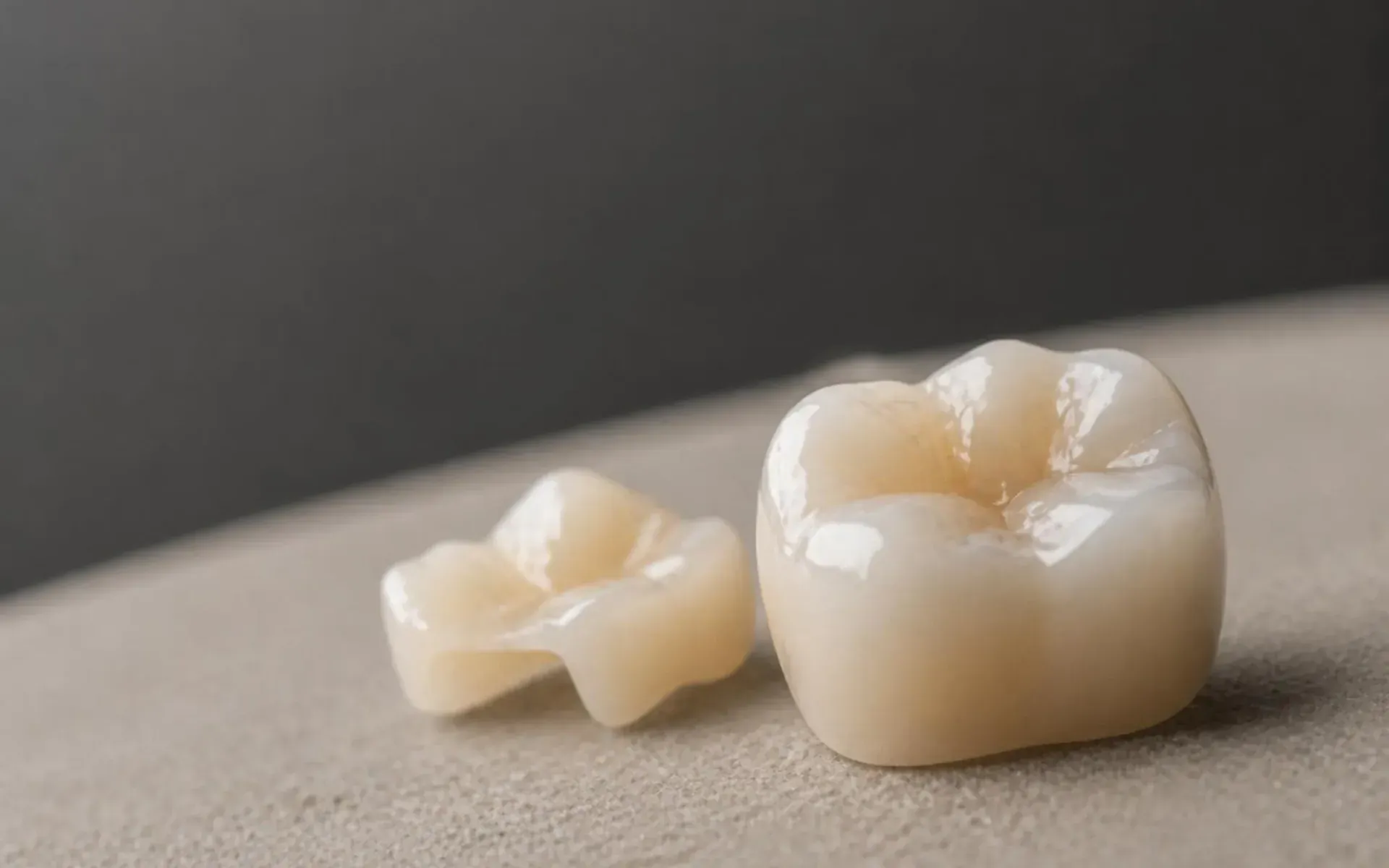
Restorative Dentistry
Custom porcelain crowns, bridges, tooth-colored fillings, and full-mouth restorations crafted to match the natural look, feel, and function of your teeth.
Explore
Sedation Dentistry
Relaxing dental care tailored to your comfort level. We offer nitrous oxide (laughing gas) for any routine clinic visit, as well as oral and IV sedation planned ahead with our periodontist.
Explore
Emergency Dentistry
Toothaches, broken teeth, knocked-out teeth and lost crowns — seen the same day, Saturdays included.
Explore