
Your Child's First Dental Visit in Frisco, TX
A child's first dental visit should happen by the first birthday, or within six months of the first tooth. That is earlier than most parents expect, and for a reason that has nothing to do with finding cavities.
What happens at your child's first dental visit
Far less than parents brace for. The purpose of the first appointment is that there is a second one.
A few calm minutes to settle in
Coming in, looking round, meeting the person. For a toddler this part is the appointment. An instrument does not come out in the first ninety seconds.
The knee-to-knee exam for babies and toddlers
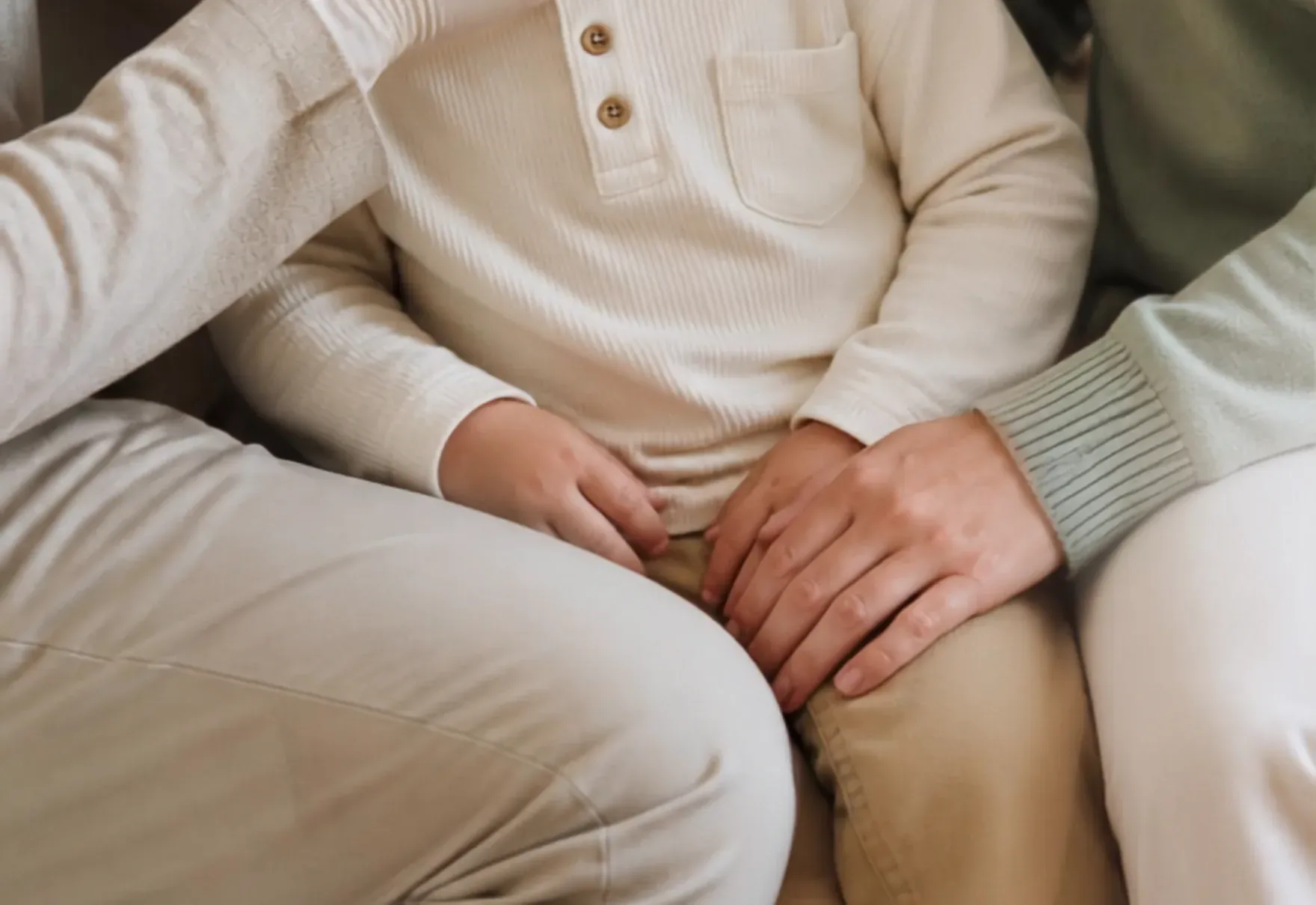
For babies and toddlers, you sit facing the dentist with your knees touching and the child lies back with their head in her lap, looking up at you the whole time. It takes about a minute, it is the standard way this is done, and it is far easier on everyone than a chair.
Counting teeth
A look at what has come through, how the teeth are spaced, the tissue, and whether anything needs attention. In a healthy toddler this genuinely is most of the clinical content.
The talk about home care with the dentist
Brushing technique for the age they actually are, bottles and cups, night feeding, thumb and dummy habits, fluoride, and what to do if a tooth gets knocked out at the park. This is where a first visit earns its place, and it is aimed at you as the parent — not the child.
A polish and fluoride, if they will tolerate it
Sometimes yes, sometimes not today, and not today is a completely acceptable outcome. No child is held still to finish a polish.
A token from the toy machine
Every child gets a token, regardless of how the visit went. That is deliberate — the token is not a reward for cooperating, because a reward you can fail to earn turns the next visit into a test.
What to know before your child's first dental visit
Why visit by the first birthday?
It sounds absurdly early and the reason is not that we expect to find anything. It is that the first visit sets the tone for every visit afterwards. A one-year-old has no fear of a dentist, no story about it, and nothing to dread — so the appointment is uneventful, and uneventful is exactly the point. Do it three times and by the age of three the dentist is simply a place your child has always known, an ordinary part of life. Compare that with the far more common version, where the first visit happens at five because a tooth hurts. Now the child's first experience of dentistry is pain, a stranger, and treatment, all at once. That is a very difficult first impression to undo, and we spend a lot of time undoing it.
Home care advice that prevents the most tooth damage
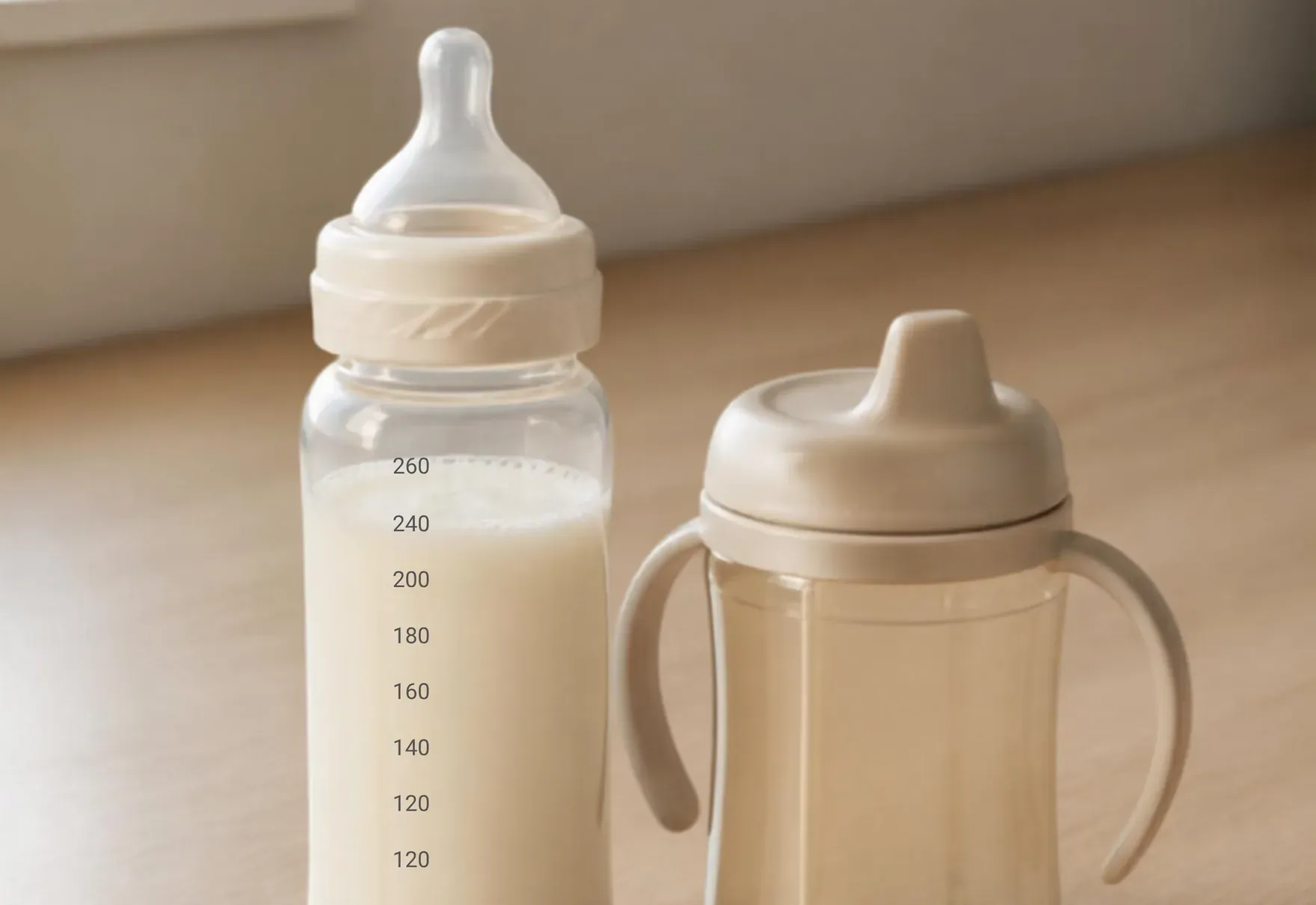
Early childhood decay is overwhelmingly about how long teeth are in contact with sugar. The amount of sugar matters far less than the exposure time. A bottle of milk taken to bed and sipped for an hour is far worse than the same milk drunk at the table. The sugars sit against the teeth all night while saliva production drops. The same is true of a sippy cup of juice carried around all afternoon. So the practical advice is unglamorous: drinks at the table, water in the cup between meals, and nothing but water in the bottle at bedtime. Brush twice a day with a smear of fluoride toothpaste from the moment the first tooth appears. Keep brushing for them until they can write their own name reliably, because the manual dexterity for brushing arrives about then.
First dental visits near Frisco, Prosper and Plano
First dental visits are held in our office at 8175 Custer Rd, Suite A110, Frisco, TX 75035. We are open Monday, Tuesday, Thursday and Friday from 9 AM to 6 PM and Saturday from 9 AM to 3 PM. Wednesday and Sunday we are closed, though the phone is still answered on Wednesday. Patients come from Frisco and from Prosper, Plano, Little Elm, Allen, Celina and McKinney. Call (469) 262-2111 to book a visit.
Call (469) 262-2111When to bring your child for a first dental visit
The recommendation is earlier than most parents expect, and this is what changes with each year of delay.
| Feature | First visit at 1 | First visit at 3 | First visit when something hurts |
|---|---|---|---|
| Child's expectation | No idea anything is unusual | Curious, mostly fine | This is where pain happens |
| What we find | Almost always nothing | Sometimes early decay | Usually something needing treatment |
| First experience is | Being looked at | Being looked at | Treatment, by a stranger |
| Parent advice given | Before habits are set | Once habits are set | After the damage |
| Typical first-visit length | 10–15 minutes | 20 minutes | Longer, and harder |
| Cost | Small, usually covered | Small, usually covered | Treatment fees |
First dental visit if you had bad dentist experiences
A great many parents bringing a child for the first time are quietly dreading it themselves. Often it is because of something that happened to them at seven, in a different decade, in a practice that did things differently.
Two things are worth saying.
Your child does not have your memory. They arrive with nothing. Whatever happened to you is not going to happen to them here, and the first visit is genuinely just being looked at.
Tell us on the phone ahead of time — before you’re already in the car. If you are nervous, we will run the appointment differently. There will be fewer people in the room and more explaining, and you will not be the one doing the reassuring. A parent who is reassuring through gritted teeth is the clearest signal a child ever gets.
There is nothing embarrassing in that conversation. It is a common one, and it usually makes the visit easier for both of you.
Related pages: the baby teeth timeline, fluoride and sealants and children’s dentistry.
Time in the chair for a first visit.
The scale runs to five hours — the same scale on every page, so the bars are comparable across the whole site.
First dental visit cost in Frisco: what to expect.
You get the figure in writing before treatment starts. We accept all major PPO plans and file the claim for you, our membership plan takes a percentage off treatment, and CareCredit financing is available.
How plans usually cover a first visit.
Preventive and diagnostic — Class I on most plans
- What plans pay
- Usually paid at 100%, which is why a first visit feels free at the desk. It is not free; it is prepaid, and it is the part of the plan worth using every year.
- Deductible
- Usually waived. Most plans do not apply the deductible to preventive care, which is one of the few pieces of good news in plan design.
What catches people out
- Frequency limits are counted by date — not by calendar year. "Two cleanings a year" usually means six months and a day between them, so an appointment moved a week early can be the one that is not paid.
- It still spends your annual maximum. The plan paying 100% is the plan paying out, and that draws the ceiling down even though you hand over nothing — which is exactly how two ordinary visits can leave very little behind.
- Some plans exclude preventive care from the maximum altogether. We check whether yours does, because it changes how the whole year should be sequenced.
These are how dental plans usually classify this treatment — not a statement about your own plan. Yours is the one that governs, plans differ more than people expect, and the only reliable answer comes from reading your specific benefits, which we always do ahead of treatment and give you in writing.
And what changes out-of-network
In-network allowed fee
$28–65
This is the contracted allowance for a first visit — taken from our own contracted schedules. Only the in-network figure here is one we would stand behind, so this shows a single number on its own. Estimating the other side would make a comparison out of a guess, and the comparison is the whole point of it.
A dentist who is in-network has signed a contract fixing what may be charged for each procedure and cannot bill you the difference. One who is out-of-network has signed nothing, so the full fee stands.
So the first difference is the price itself — the same treatment is simply allowed to cost more out-of-network, before anyone's plan is considered.
What you personally pay out of that depends on your own deductible and coinsurance, which is why there is no percentage here: it is not a property of the treatment, it is a property of your plan, and we verify yours before you commit. But two things follow for everybody. Your share is a share of a bigger number. And your annual maximum is spent by what the plan pays toward that bigger number, so the same treatment eats more of your benefit out-of-network.
Check the going rate yourself
FAIR Health's dental cost lookup is free, needs no account, and is not ours — it reports what a procedure typically costs in your area. It does not know your plan, so treat it as a ballpark figure — not a final answer.
Ask us for the number first
We verify your specific plan before your appointment and give you a written estimate: what the plan is expected to pay, and what you pay. If we get it wrong we tell you why.
Bring an Explanation of Benefits
Treated somewhere else? Your EOB shows exactly what the plan paid and what it counted against your maximum. Bring one in and we will read it with you — whether or not you become a patient here.
None of this says out-of-network dentists are worse dentists. Plenty are excellent, plenty are out-of-network for sound reasons, and people choose a dentist for who that person is. What we think you are owed is the information, so that whatever you choose, you chose it knowingly. The whole thing, explained properly, or call (469) 262-2111 and ask.
How to prepare your child for the first dental visit
Most of what makes a first visit go well happens at home in the preceding week.
- The week beforeMention the visit lightly, once
Not a big build-up. "We're going to see the tooth doctor on Saturday, she counts your teeth" is about the right weight.
- The words to avoidWords to avoid before the first dental visit
Including in reassurance. "It won't hurt" plants the idea that it might. So does "be brave" — it tells a child there is something to be brave about.
- If you are nervous yourselfTell us about worries, not your child
Children read a parent's anxiety accurately and instantly. Tell us on the phone; it genuinely changes how we run the appointment, and there is nothing embarrassing about it.
- The morning ofBook a time when your child is rested and fed
First thing in the morning or straight after a nap. A tired toddler at four in the afternoon is not a fair test of anything.
- AfterwardsKeep the day of the visit low-key
A token from the machine and on with the day. An enormous celebration also signals that something significant was survived.
Booking your child's first dental visit in Frisco
If your child has additional needs, or the last visit somewhere else went badly, ring and tell us before booking so we can plan the appointment properly. That is a normal request here.
- Hours
- Weekdays 9–6
Saturdays 9–3 - Languages
- English, Telugu, Hindi, Urdu
Arabic with Saba, our hygienist, Tuesdays, Thursdays and Fridays
Vietnamese with Anh, our hygienist, Saturdays
Cantonese and Mandarin with Dr. Louie, our periodontist, on his scheduled days, by internal referral
Your Child's First Dental Visit FAQs in Frisco, TX
Grouped so you can go straight to the one you came for.
Your Child's First Dental Visit — common questions
When should my child first see a dentist?
What happens at the first visit?
What if my child will not open their mouth?
Should I tell my child what to expect at the dentist?
Do baby teeth matter if they fall out anyway?
Will my child need X-rays?
Do you accept Medicaid and CHIP for children?
How do I brush a toddler's teeth when they fight it?
How do I prepare my toddler for the dentist?
Should a 2 year old go to the dentist?
Where can I take my child for a first dental visit in Frisco?
How often should kids go to the dentist?
Toothache at 7am? You'll be seen today.
Same-day and Saturday appointments for toothaches, broken teeth, knocked-out teeth and lost crowns. Call us and we'll tell you what to do first, while you're still at home.
Everything else under this roof.
White Lotus Dental offers nine dental specialties inside one calm office on Custer Road. Having general dentists and an in-house periodontist on staff means your entire family can receive preventive, restorative, and surgical treatments in one familiar place.
Preventive Dentistry
Regular dental checkups, professional cleanings, night guards, and jaw-pain care. Every routine exam includes an oral cancer screening to protect your long-term health.
Explore
Children's Dentistry
Gentle first dental visits, protective sealants, fluoride applications, and space maintainers. We accept Children's Medicaid and CHIP, and every young patient receives a toy-machine token at the end of their visit.
Explore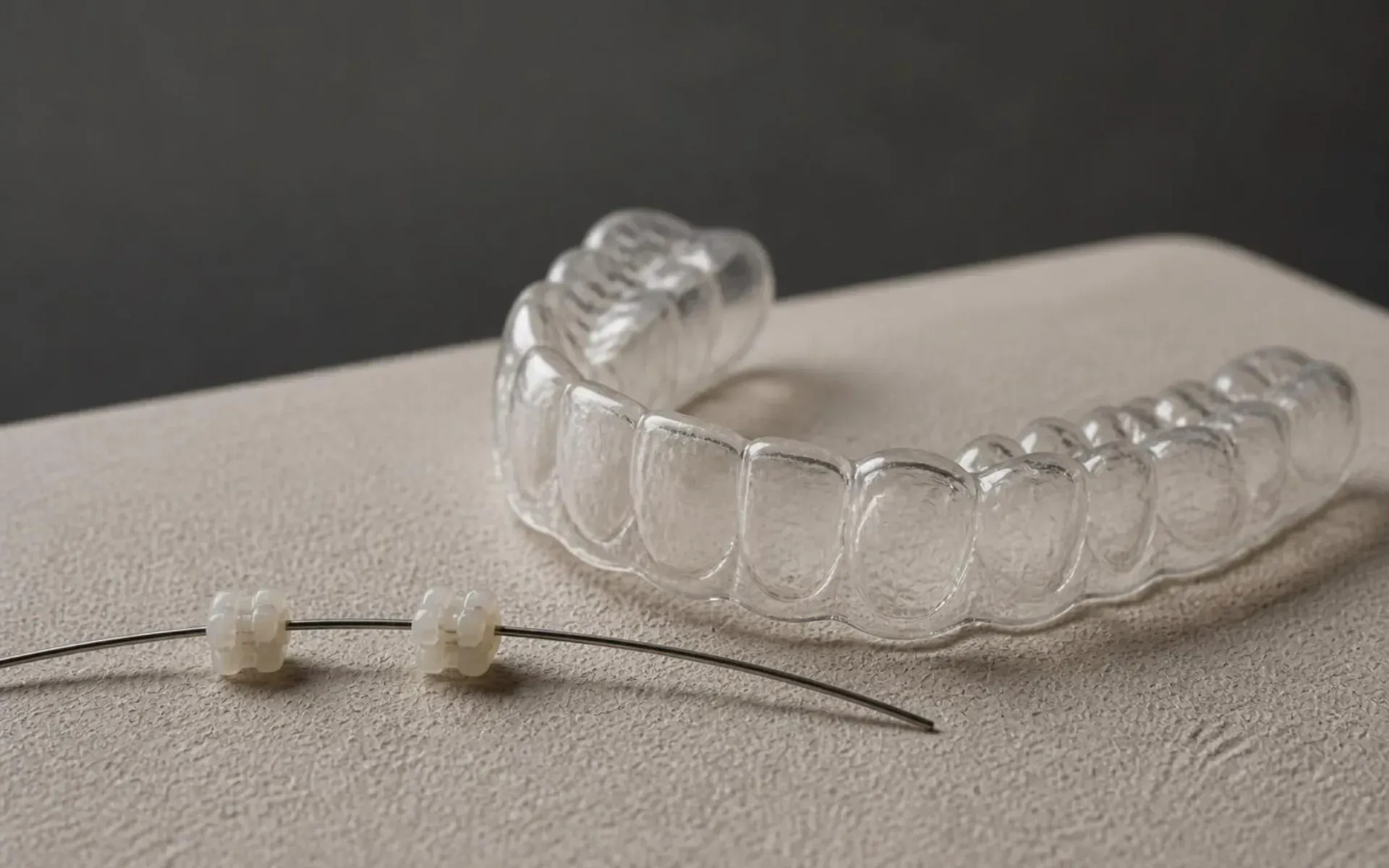
Orthodontics
Clear aligners with Invisalign® and comprehensive traditional braces. Your treatment is fitted, monitored, and adjusted in-house by your trusted dentist.
Explore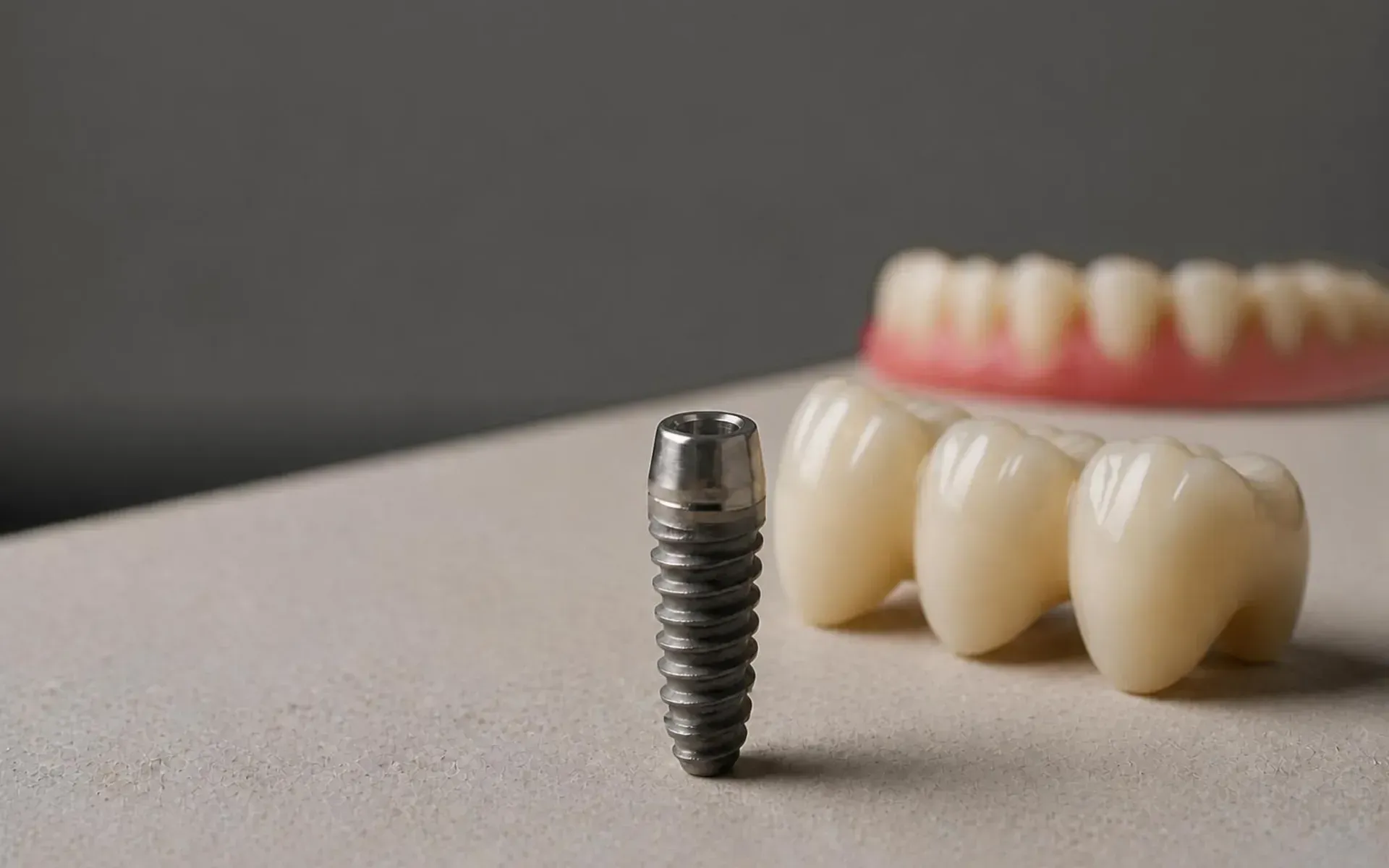
Missing Teeth
Permanent dental implants, dental bridges, and customized dentures planned using 3-D CBCT scans. Because our team includes a board-certified periodontist, your implant surgery, placement, and final crown are completed in the same building.
Explore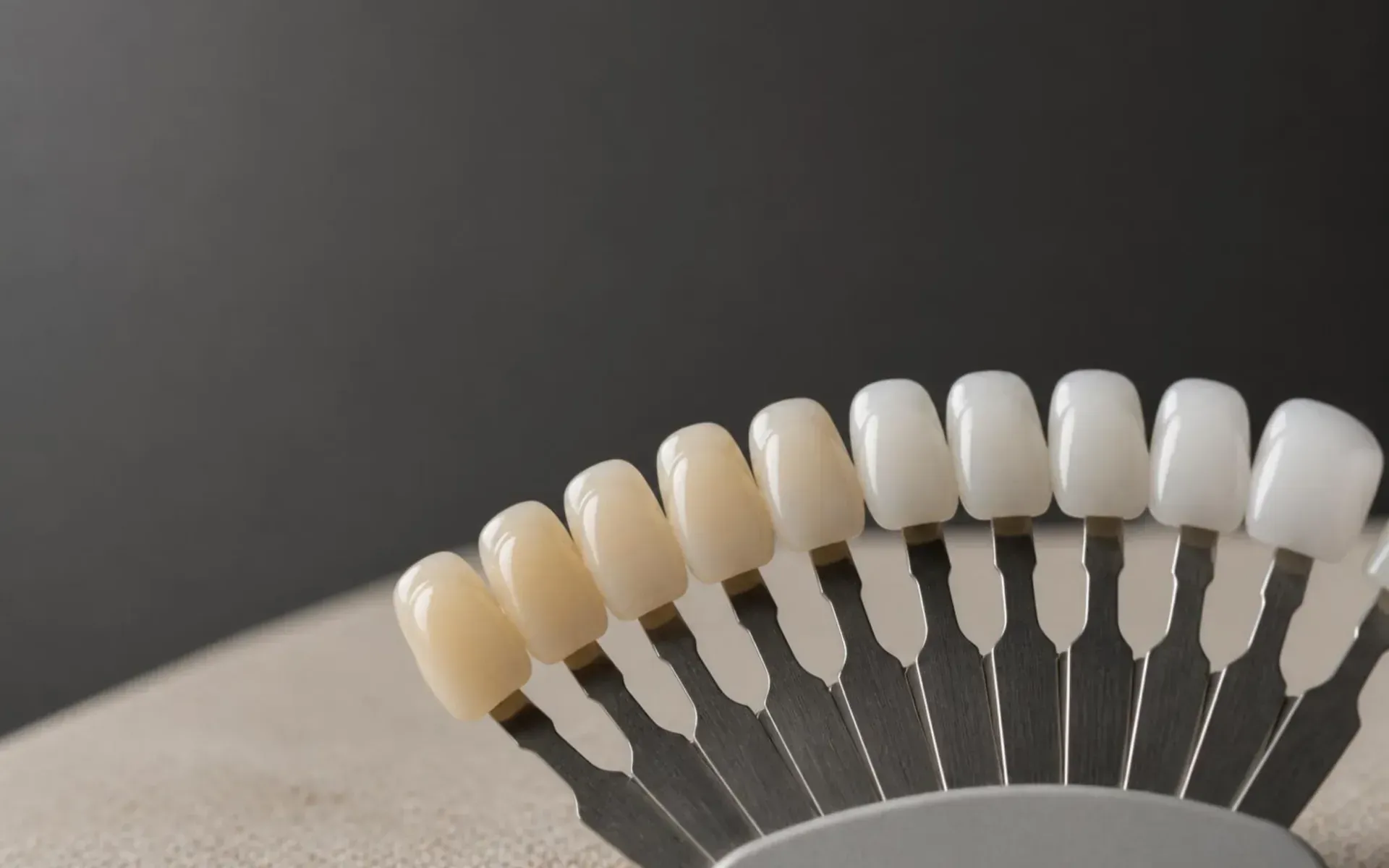
Cosmetic Dentistry
Professional Zoom whitening, custom take-home whitening trays, and composite tooth bonding designed to brighten and refine your natural smile.
Explore
Periodontics & Oral Surgery
Specialized gum disease therapy, scaling and root planing (deep cleanings), frenectomies, and periodontal surgery performed by our board-certified periodontist.
Explore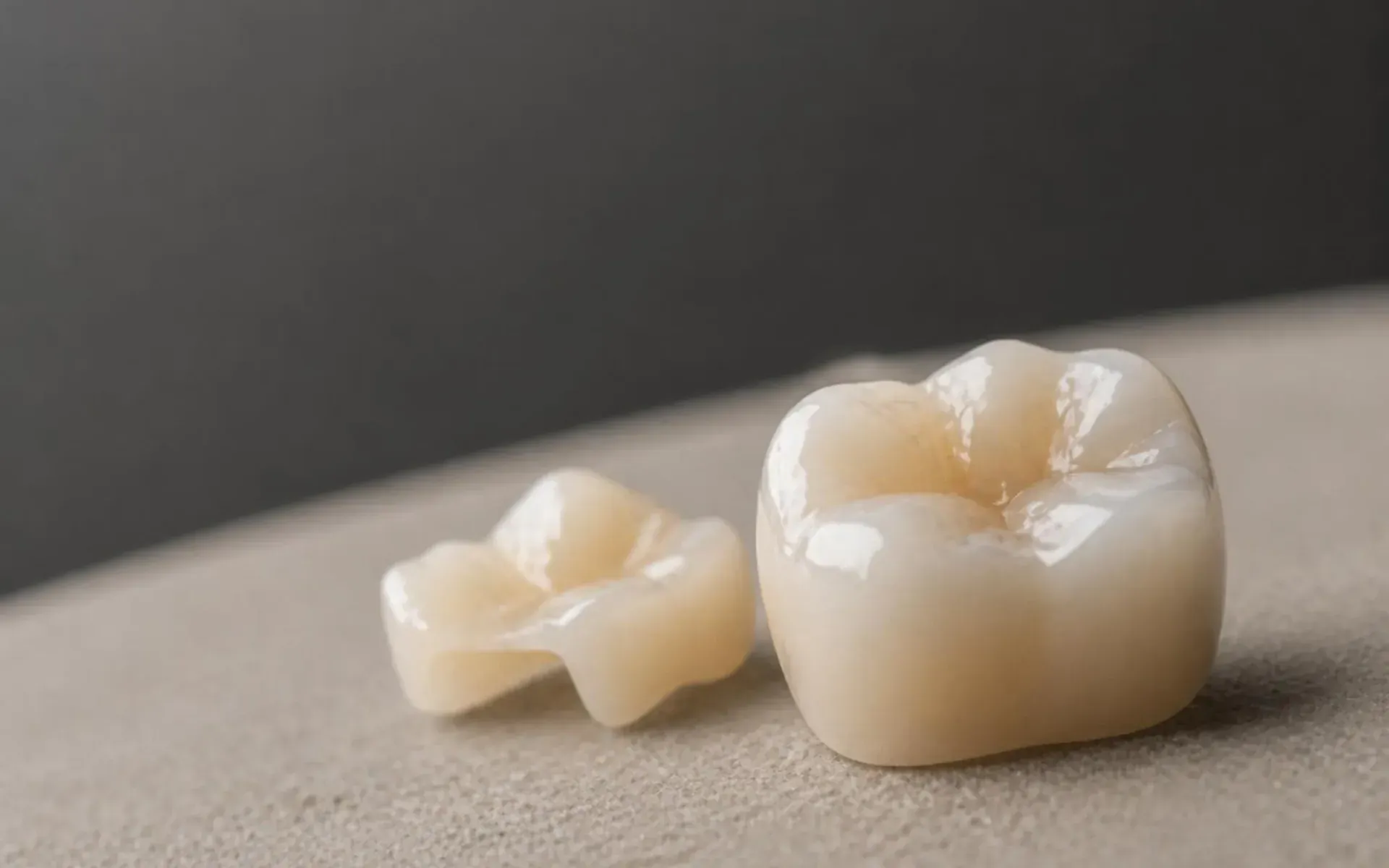
Restorative Dentistry
Custom porcelain crowns, bridges, tooth-colored fillings, and full-mouth restorations crafted to match the natural look, feel, and function of your teeth.
Explore
Sedation Dentistry
Relaxing dental care tailored to your comfort level. We offer nitrous oxide (laughing gas) for any routine clinic visit, as well as oral and IV sedation planned ahead with our periodontist.
Explore
Emergency Dentistry
Toothaches, broken teeth, knocked-out teeth and lost crowns — seen the same day, Saturdays included.
Explore