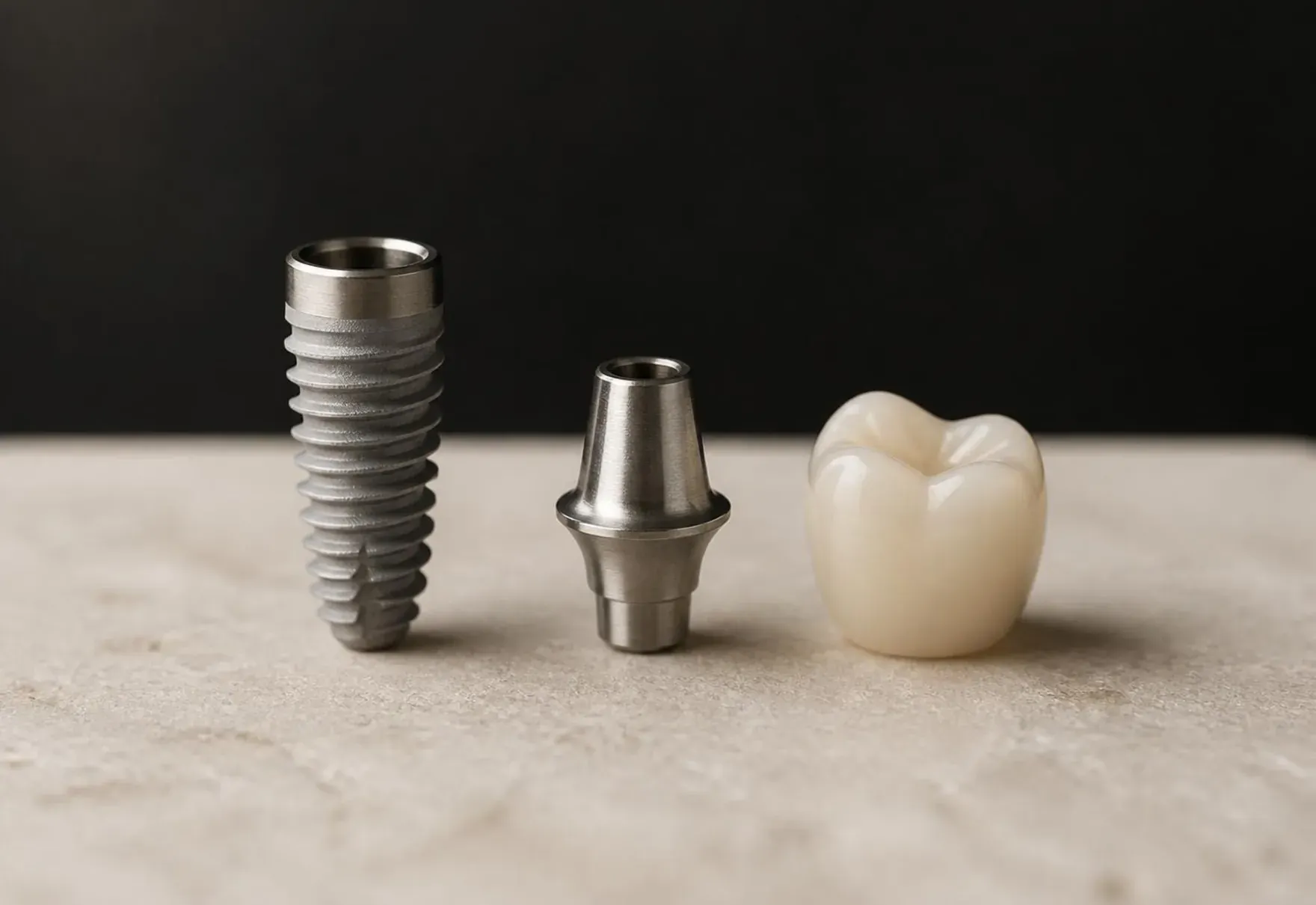
Dental Implant Success Rate
Dental implants have a 95 to 98% success rate—one of the highest in modern surgery. Discover how titanium osseointegration, 3D CBCT precision placement, and jawbone preservation lead to long-term results.

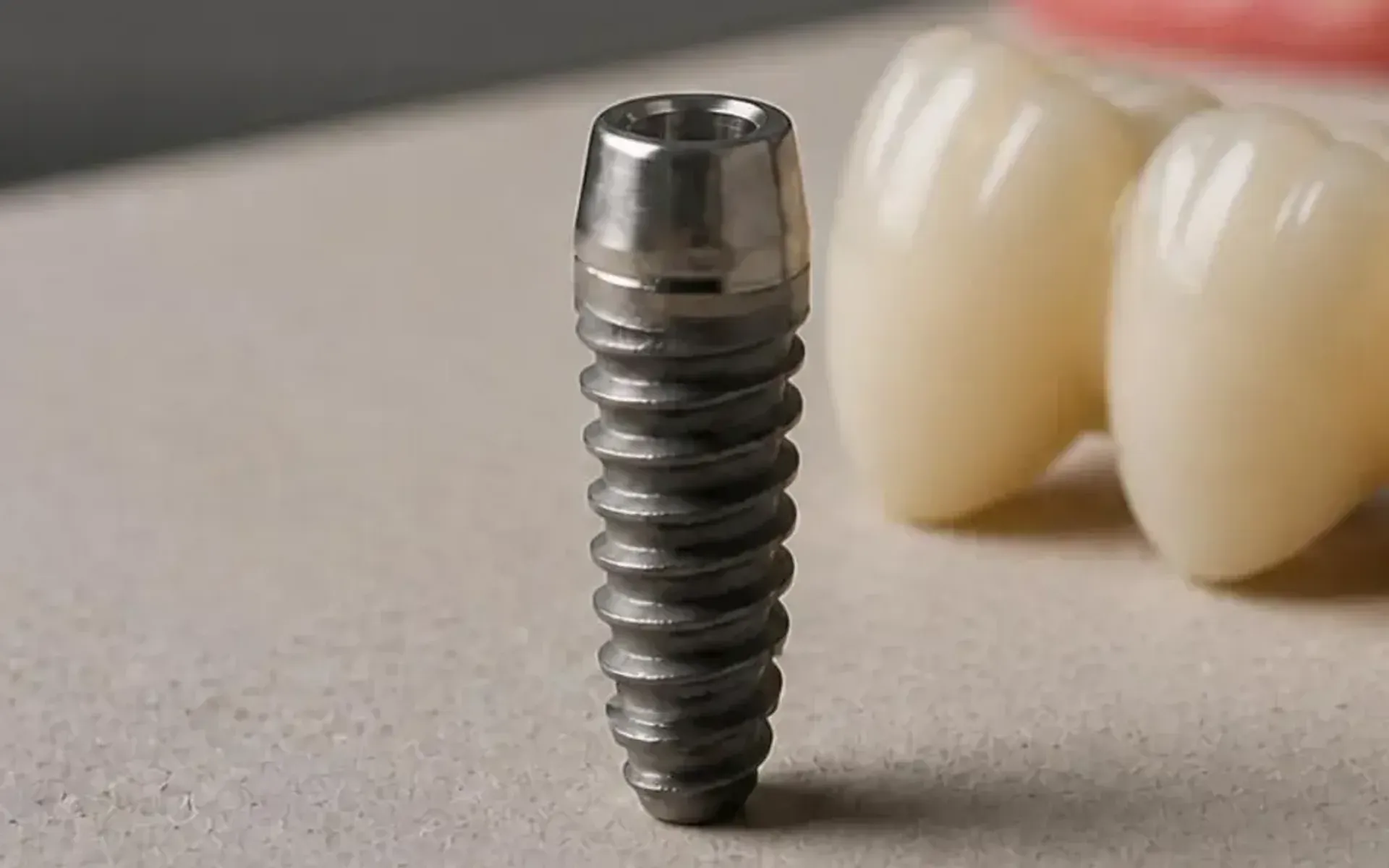
Table of contents
- 1. How titanium and osseointegration anchor an implant
- 2. Precision Placement with 3D CBCT Imaging
- 3. How implants help preserve jawbone
- 4. Patient Health and Long-Term Maintenance
- Dental implant success: common questions
- How long do dental implants last?
- What is the dental implant failure rate?
- What is the downside of a dental implant?
- Are dental implants worth it?
- Complete In-House Dental Implants in Frisco
- Related care
Dental implants have one of the highest success rates of any surgical procedure in modern dentistry—hovering around 95% to 98% in healthy patients. This impressive record comes despite the process involving minor oral surgery, a few months of healing, and a long term integration into your jawbone.
So, what makes dental implants perform so much better than traditional bridges or dentures? Here is a closer look at the four core scientific pillars behind their long-term success.
Need to restore missing teeth? Call (469) 262-2111 or request a consultation online today.
1. How titanium and osseointegration anchor an implant
When researchers discovered that titanium could fuse directly with living human bone, it revolutionized implant dentistry. This process, known as osseointegration, is the foundation of every successful implant:
- Biocompatibility: Titanium is lightweight, remarkably strong, and non-toxic, meaning your immune system does not treat it as a foreign object or reject it.
- Direct Fusion: Over a period of 3 to 6 months, surrounding jawbone cells grow around and attach directly to the micro-textured surface of the titanium post.
- Long Term Stability: Once fully integrated, the titanium post serves as a root replacement that is fused into the jaw as securely as a natural tooth root.
2. Precision Placement with 3D CBCT Imaging
Even the highest-quality titanium post will fail if placed improperly. The precise angle, depth, and three-dimensional position of the implant determine how well it integrates with the bone and handles the immense pressure of daily chewing.
Modern dental practices utilize Cone Beam Computed Tomography (CBCT) 3D imaging to plan surgical placement down to the millimeter:
- Maps 3D representations of jawbone density, nerve pathways, and sinus cavities prior to surgery.
- Allows virtual pre-planning to select the ideal implant size and angle.
- Minimizes surgical risks, shortens recovery times, and maximizes long-term structural stability.
3. How implants help preserve jawbone
When a natural tooth is lost, the section of jawbone that once supported it no longer receives stimulation from chewing forces. As a result, the body naturally resorbs (reabsorbs) the bone tissue, leading to a sunken facial appearance and bone loss over time.
Dental implants are the only tooth replacement option that stops bone loss:
- The titanium post acts like a natural root, transmitting functional chewing forces into the surrounding jawbone.
- This force signals the body to continue regenerating bone tissue rather than breaking it down.
- The result is a denser, structurally sound jaw that maintains your natural facial aesthetics for decades.
4. Patient Health and Long-Term Maintenance
Dental implants do not exist in a vacuum—patient health and daily care play a significant role in long-term longevity. Patients with well-controlled health conditions (such as managed diabetes or controlled arthritis) and strong oral hygiene routines enjoy the highest success rates.
Fortunately, caring for dental implants is identical to caring for natural teeth:
- Brush twice daily with non-abrasive toothpaste.
- Floss daily or use an interdental brush around the implant crown.
- Visit your dentist every six months for routine checkups and cleanings.
When all these factors combine, a dental implant can restore up to 80% or more of your natural bite force and can last many years, often decades, with good care.
Dental implant success: common questions
How long do dental implants last?
With good care, an implant can last many years, often decades. The titanium post usually outlasts the crown on top, which may eventually need replacement. Daily cleaning, regular checkups, and avoiding smoking all help. Read more on our dental implants page.
What is the dental implant failure rate?
Most implants in healthy patients succeed, though some studies report lower long-term figures than short-term ones. Failure is more likely with infection, smoking, uncontrolled health conditions, or too little bone. A careful exam and planning help lower the risk. Regular checkups help us catch problems early.
What is the downside of a dental implant?
Implants involve a surgical procedure, a healing period of several months, and a higher upfront cost than some other options. They also need good bone and healthy gums. Our implant or bridge page compares the choices. Not everyone is a candidate, so a consultation comes first.
Are dental implants worth it?
For many patients, yes. An implant replaces the tooth root, helps preserve jawbone, and works like a natural tooth without relying on neighboring teeth. Whether it is right for you depends on your health, bone, and goals, so a consultation is the best next step.
Complete In-House Dental Implants in Frisco
At White Lotus Dental, our team handles every step of the dental implant journey under one roof—from your initial consultation and 3D CBCT digital placement planning to the final custom crown restoration.
Call our Frisco office today at (469) 262-2111 to schedule your implant consultation and learn how a long-term replacement smile can transform your quality of life.